Failing to correctly diagnose and deal with folks with bipolar dysfunction is losing billions of kilos a yr within the UK, based on new knowledge shared solely with the BBC. Consultants say lots of the estimated million folks residing with this situation are “ghosts within the system”, whose lives are being torn aside by poorly managed excessive suicidal lows or manic, erratic highs.
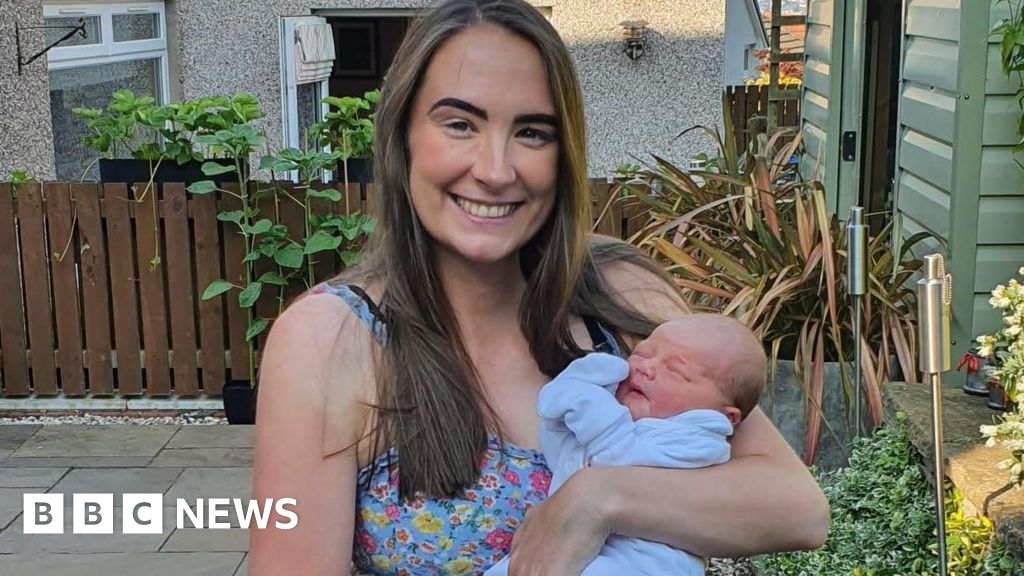
Emma was recognized with bipolar dysfunction in her early 30s, after experiencing a psychological well being disaster.
When she was 32 weeks pregnant, her grandmother died unexpectedly, sending her right into a “deep low”. “I felt terrible, however the perinatal crew would not take me on,” she says. “They mentioned my signs weren’t that critical.”
When Emma gave beginning, the intense lows of her being pregnant had been changed by an surprising excessive. She felt wonderful within the days after her child was born – however she did not sleep and her behaviour turned more and more erratic.
A couple of weeks later, her temper flipped once more. When her child was three weeks outdated, Emma took an overdose.
It took per week in hospital for her liver operate to return. However even after that, she was out and in of hospital for a yr earlier than lastly being recognized with bipolar dysfunction, and medicated appropriately.
“If I had the right care, and been listened to throughout my being pregnant and even earlier, I might have averted taking that overdose – 100%,” she says.
It wasn’t Emma’s first expertise of poor psychological well being – she’d spent her teenagers seeing medical doctors and receiving totally different antidepressants. Nobody had ever prompt she may need bipolar dysfunction.
Consultants have informed the BBC how most individuals residing with bipolar dysfunction within the UK are “undertreated, undiagnosed and left to try to survive in a system that has failed them”.
The bulk who, like Emma, are finally recognized with bipolar dysfunction, are incorrectly prescribed antidepressants initially, which makes their signs worse relatively than higher. Consultants additionally say there’s a lack of continuity of care from GPs by means of to psychiatrists.
Their warning comes as knowledge solely shared with the BBC suggests the price of the situation within the UK is now an estimated £9.6bn a yr. That equates to greater than £300 per taxpayer.
This breakdown consists of NHS prices, reminiscent of GP companies, psychiatrist appointments and visits to A&E and hospital admissions. It additionally consists of financial prices, reminiscent of misplaced days at work and the necessity for household and pals to take day off to supply casual care.
However it doesn’t embrace welfare funds for these out of labor, or prices for police companies coping with folks in disaster.
Extremely treatable
“This almost £10bn determine is definitely fairly conservative,” says Prof Judit Simon, from the Medical College of Vienna, who labored with the BBC to generate the quantity.
“If it is a authorities that actually desires to try to carry down the welfare invoice, then bipolar dysfunction needs to be its absolute precedence, the goal dysfunction to truly transfer the dial.”
The information suggests as much as 372,000 folks with bipolar dysfunction are presently out of labor and claiming advantages within the UK.
For a treatable illness, this quantity may very well be slashed if the right care was on supply, say specialists.
Prof Man Goodwin, emeritus professor of psychiatry at College of Oxford, says: “If you wish to lower the prices of a illness, it is advisable scale back hospital admissions and emergency care. If you happen to do not give attention to chopping hospital admissions then you definately waste cash.”
In response to the Royal School of Psychiatrists (RCP), bipolar dysfunction is a manageable situation.
Dr Trudi Seneviratne, registrar on the RCP and a commissioner on the Bipolar Fee, says it’s “fully treatable” with a mixture of treatment, speaking therapies and way of life components.
“However there are numerous, many people who find themselves struggling in silence with decrease ranges of signs as a result of there is not a great scientific care pathway for them within the UK.”
She says if look after bipolar dysfunction was match for goal, it will lower “the associated fee to society” in addition to lowering “the human struggling this illness unnecessarily causes”.
It’s this sense of waste – with individuals who may very well be main a great life however aren’t – that angers specialists most, who say it’s a uncared for analysis.
Prof Allan Younger, from Imperial School, says: “Bipolar is widespread, complicated and expensive – however it’s so usually unrecognised.
“Individuals know it’s there however one way or the other individuals are simply not being cared for appropriately.”
This lack of right care is what Rosie says resulted in her being arrested at Stansted Airport for leaping the safety limitations throughout a manic episode in her early 20s.
“I used to be totally delusional,” she says. Following her arrest, Rosie was taken to A&E and locked in a room. She waited there for greater than 12 hours whereas a mattress at a specialist psychological well being unit was discovered.
Like Emma, Rosie had been coping with psychological well being points since childhood, nevertheless it was solely after being in disaster that her situation was recognised. This explicit interval of psychotic mania had been triggered by a relationship breakdown.
She was sectioned and hospitalised for 3 months, after which she lastly started discovering a mixture of medicines that labored for her.
Now 29, Rosie says she nonetheless has excessive and low intervals, however provides that she is much extra secure and is ready to work half time.
“I used to be failed,” she says. “I am informed my signs had been a textbook case for bipolar lows and highs – energetic, grandiose language, erratic – however nobody even thought of this analysis for me till I used to be sectioned.”
Prices may very well be halved
The Maudsley Hospital, in South London, has an intensive specialist care programme for its sickest, most usually relapsing bipolar sufferers. The service goals to try to cease sufferers hitting disaster level.
Just like companies provided in different European nations, the hospital offers group classes for sufferers and their households. The courses assist sufferers to grasp when an episode may be beginning after which contact the service as soon as they spot early warning indicators.
They’ll then attend an outpatient clinic and alter medicines. The comparatively low cost programme has seen re-admission charges to hospital fall by 80% as intervention takes place earlier than a disaster.
Prof Younger says prices related to bipolar dysfunction may very well be halved with extra specialist care programmes.
“Undoubtedly, specialist remedy might contribute to getting plenty of folks again into work. And we all know that work is superb for serving to folks get better from episodes of psychological unwell well being.”
Nonetheless, many specialists say sufferers nonetheless face a postcode lottery about whether or not they can see a psychiatrist in any respect.
Carolyn Chew-Graham, a GP and professor of common observe analysis at Keele College, says those that are acutely unwell will probably be picked up rapidly by disaster groups however these with “much less florid manic episodes” can miss out on referral to specialists for analysis.
“There is a excessive threshold of referral,” Prof Chew Graham says. “Individuals actually need to be fairly unwell earlier than they’re seen in specialist companies”. She says GPs could also be reluctant to refer sufferers – even when they strongly suspect they’ve bipolar dysfunction – for worry they are going to be rejected.
“GPs might imagine I will not even contemplate bipolar as a result of if I point out it to the affected person after which I can not get them seen, I’m a bit caught”.
Prof Younger says bipolar sufferers want long-term specialist care.
“However that is the frustration right here – regardless that there’s sturdy proof that specialist care improves the outcomes for the affected person, and prices the state much less, there are nonetheless so few bipolar specialist services.
“It is a tragedy.”
An NHS spokesperson mentioned bipolar dysfunction might usually take time to diagnose as a result of it affected everybody otherwise and the signs had been much like different psychological well being circumstances.
“NHS employees are working extremely onerous to get folks recognized and scale back ready occasions for care.
“Employees are treating 1,000,000 extra folks than they had been six years in the past and are working to remodel companies alongside this demand – this consists of strengthening neighborhood companies, trialling new 24/7 open entry psychological well being centres and rolling out psychological well being disaster strains.”
If something on this article makes you involved please seek the advice of your GP.
If you happen to’ve been affected by the problems on this story, assist and help is obtainable by way of BBC Motion Line.